
For centuries, the apple has carried the weight of temptation. It has become a symbol of desire, of knowledge, of sin, and perhaps most famously, of Eve. Yet the story has often been told from a singular perspective—one that reduces feminine power to something dangerous, something responsible for man's downfall. This editorial seeks to reclaim that narrative, not by denying its symbolism, but by reframing it through the lens of feminine complexity.
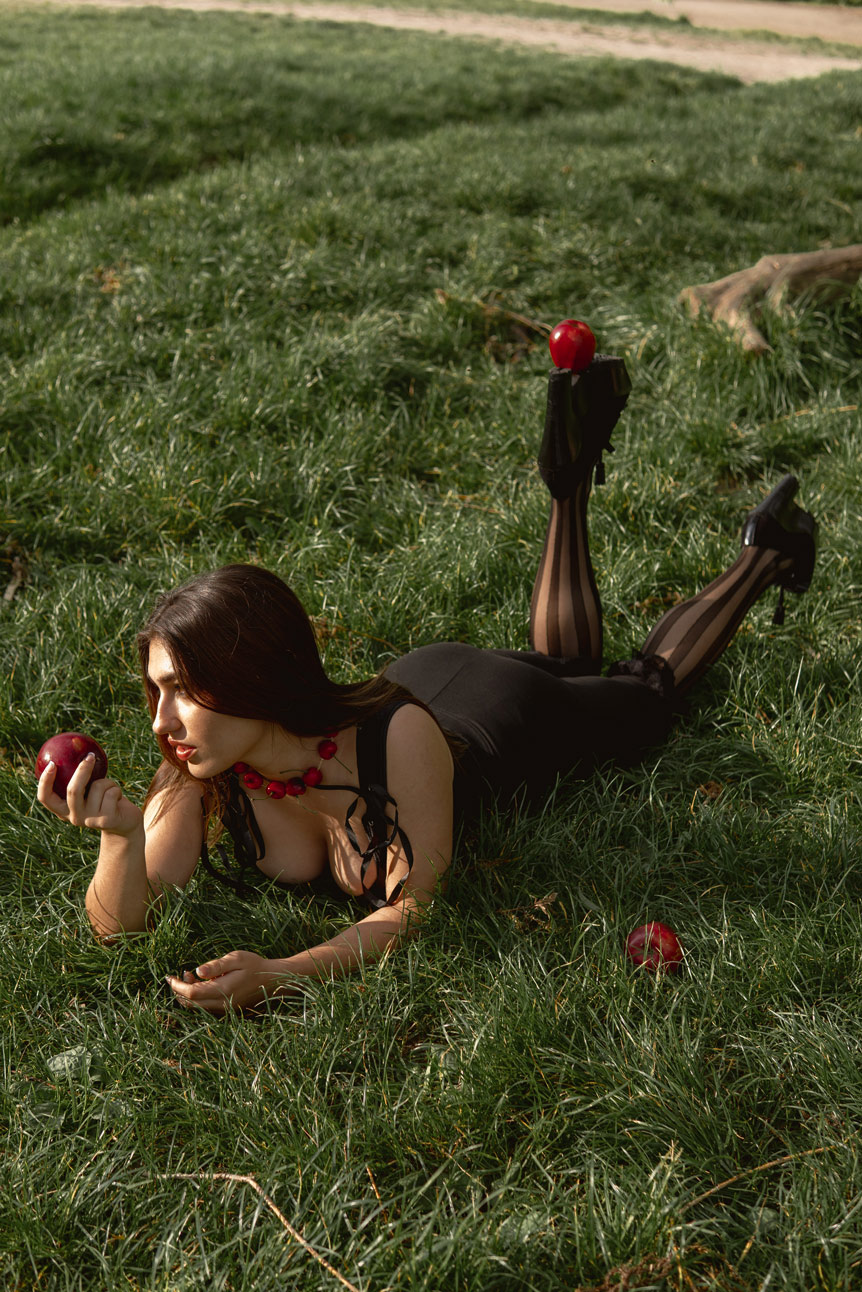
Inspired by the phrase "the apple of his eye," meaning someone cherished above all others, the series explores what it truly means to hold power simply by existing. Throughout history, a woman's beauty, softness, sensuality, and magnetism have rarely been treated as qualities that belong to her. Instead, they have been commercialised, objectified, romanticised, and consumed.

Society often mistakes feminine power as something that exists for the pleasure, approval, or validation of others, when in reality it belongs entirely to the woman who possesses it. Her femininity is not a performance—it is an inheritance. It is hers before anyone else has the privilege of witnessing it.
Within these images, Eve becomes more than the woman who offered the apple. She becomes a metaphor for every woman who has been praised for her desirability while simultaneously being judged for owning it.
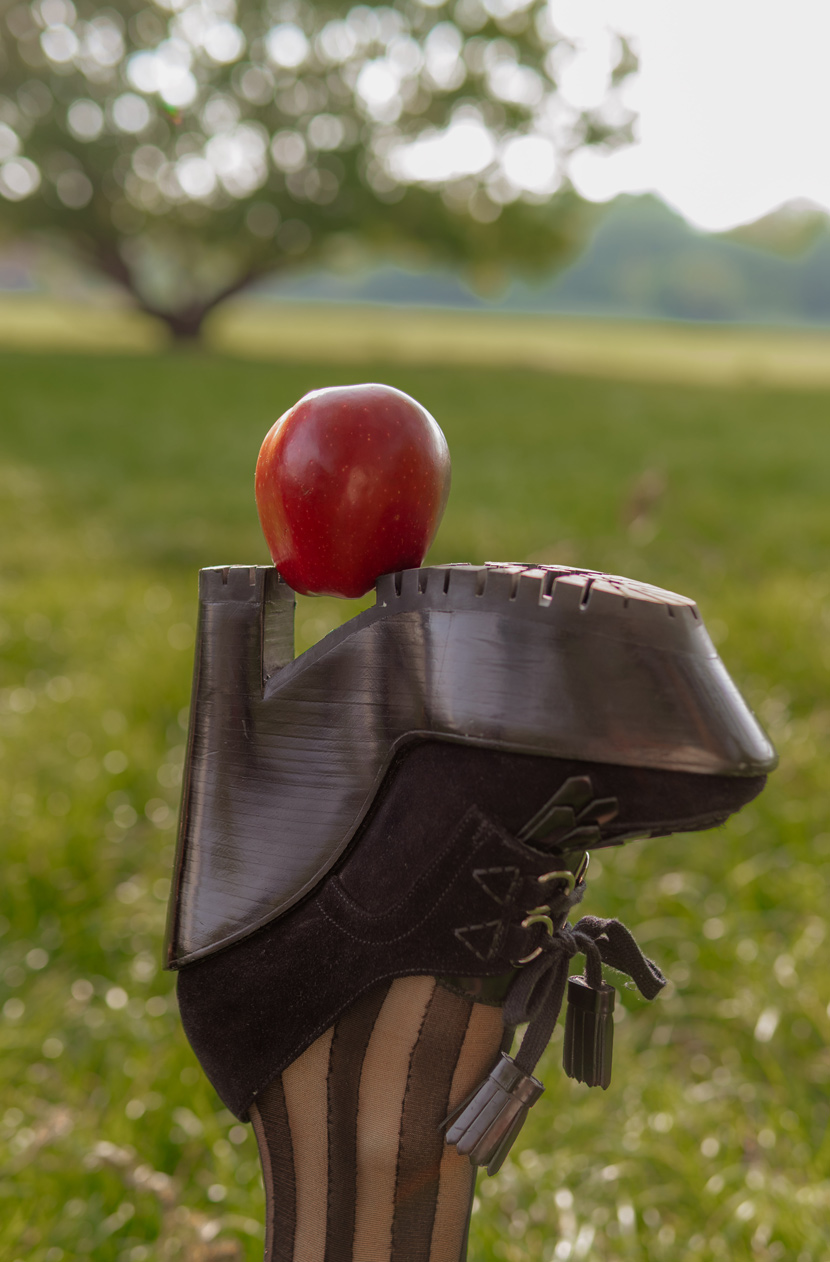
The three figures are not separate women but different expressions of the same self. The seductive woman is unapologetically magnetic. Her gaze is direct, unwavering, and intentional. She understands the influence of her presence and does not apologise for the confidence that accompanies it. Too often this kind of femininity is labelled manipulative, yet confidence in one's own power is not exploitation—it is self-possession.
Alongside her exists innocence. Dressed in white, she embodies openness, curiosity, and softness. This version of femininity is often idealised because it feels harmless, yet innocence should never be mistaken for weakness. It deserves protection rather than exploitation. There is an undeniable magnetism in vulnerability, a quiet strength in remaining open despite the possibility of being hurt.
The final expression embraces playfulness. She has tasted the fruit, she knows she is imperfect, and she no longer seeks absolution.
Instead of carrying shame, she carries acceptance. She flirts with her own imperfections, choosing self-love over self-punishment. There is freedom in acknowledging mistakes without allowing them to define you.
Although each character appears distinct, they are inseparable. There is playfulness within seduction, innocence within playfulness, and magnetism within innocence. They are masks we all wear throughout our lives, not to hide who we are but to navigate different seasons of becoming. The goal is never to choose one identity over another, but to integrate them into something whole.
The apple therefore becomes more than a biblical symbol. It becomes a reminder that feminine power has never truly been about temptation—it has always been about choice. The choice to remain soft in a world that rewards hardness. The choice to embrace sensuality without shame. The choice to accept imperfection without apology. The choice to own every version of yourself before the world attempts to define it for you.
Perhaps being the apple of his eye was never the point. Perhaps the greater transformation lies in becoming the apple of your own eye—seeing yourself as worthy of your own admiration before seeking it anywhere else. Because femininity reaches its fullest expression not when it is consumed, desired, or commercialised, but when it is reclaimed by the woman to whom it has always belonged.
Written By Angela Gaote
Photographer and creative Director: Thysca Lobo