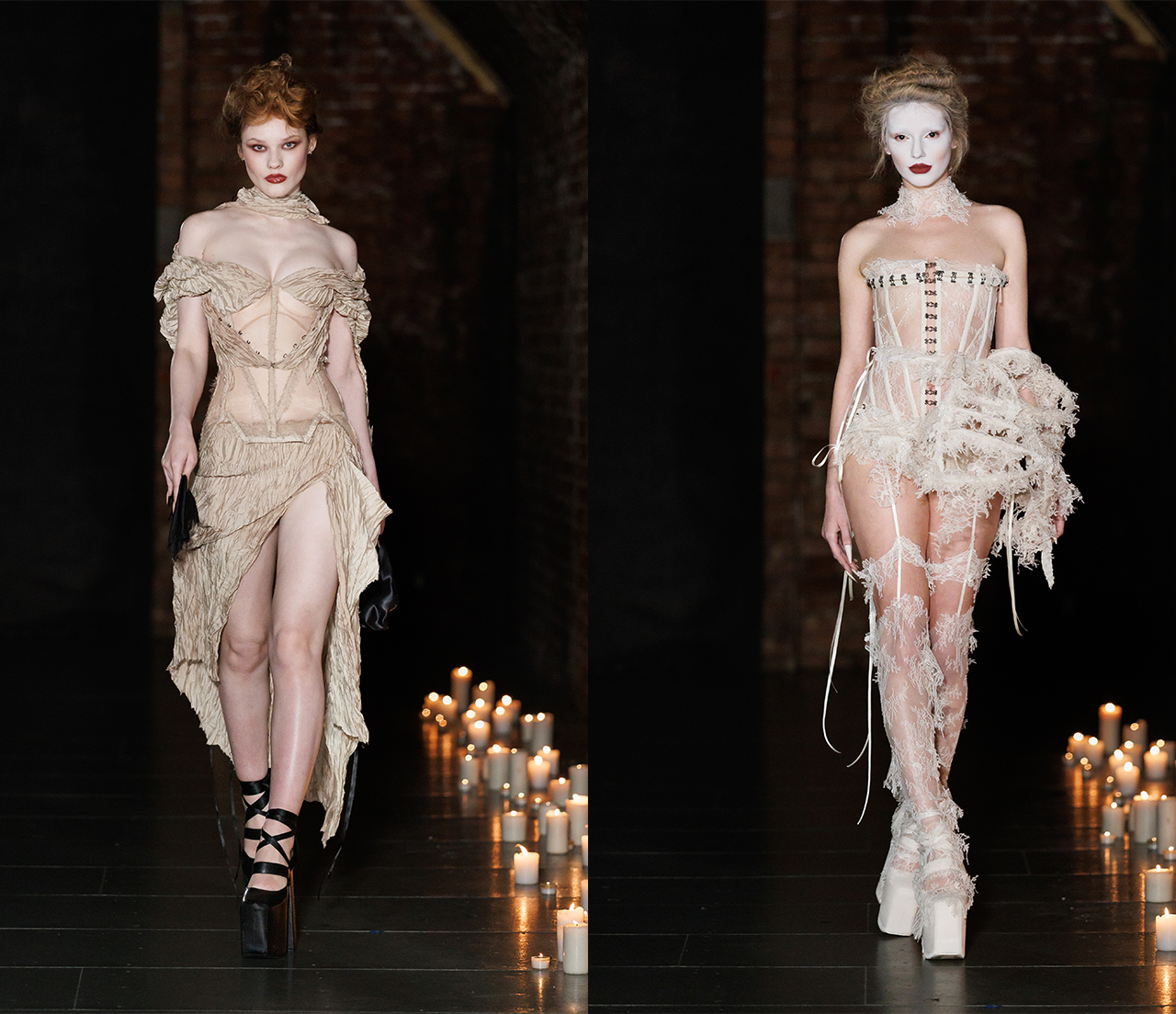
From the moment the first look appeared, the show felt powerful and thrilling, charged with a sense of intimacy that resonated far beyond the runway. At its core, the collection was a love letter to women loving women — celebrating platonic devotion, female alliance, sexual freedom and the quiet strength of feminist bonds. Rather than presenting a singular vision of femininity, Dreaming Eli embraced polarity, juxtaposing fragility with rebellion, tenderness with destruction, creating a world where softness and strength coexist.
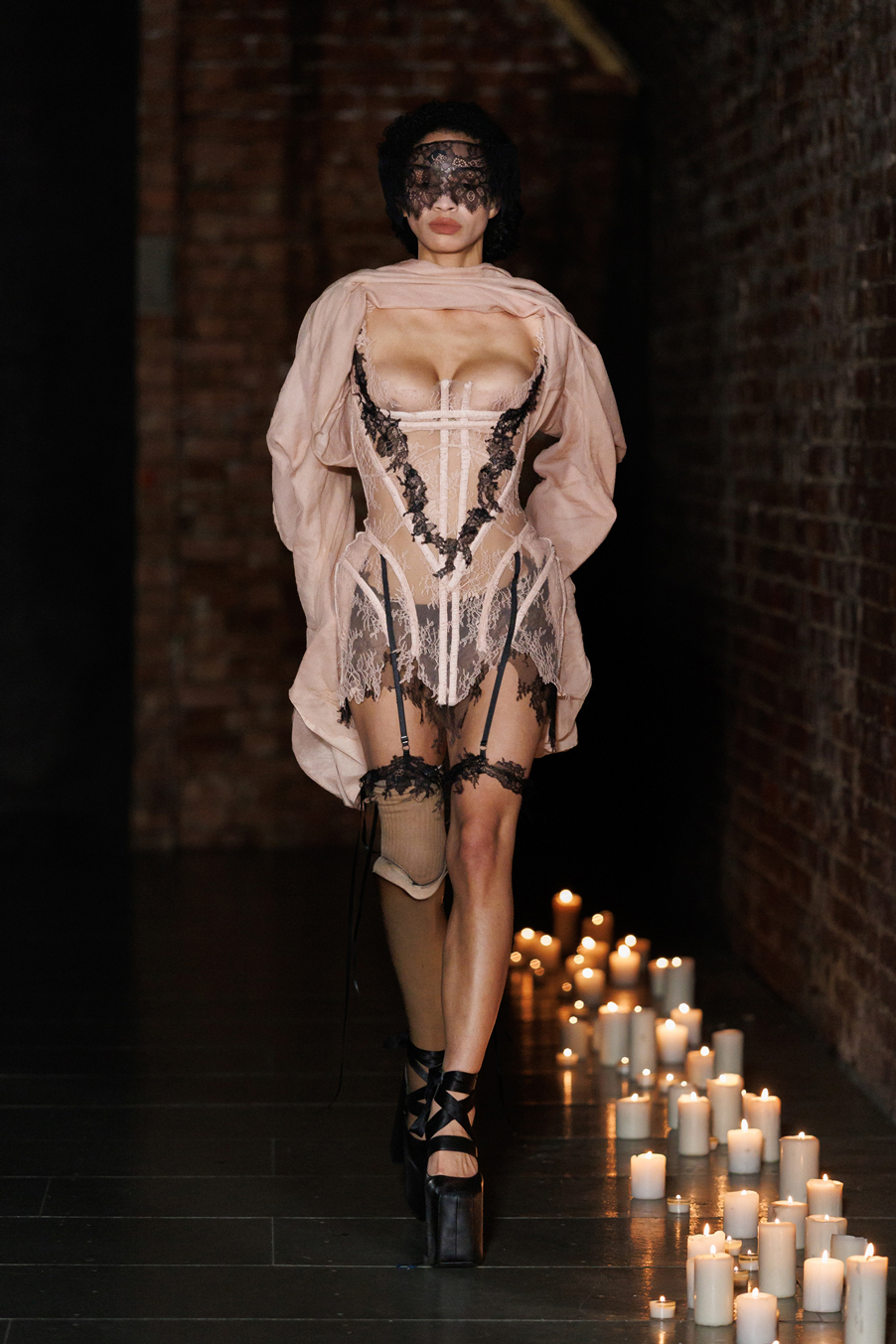
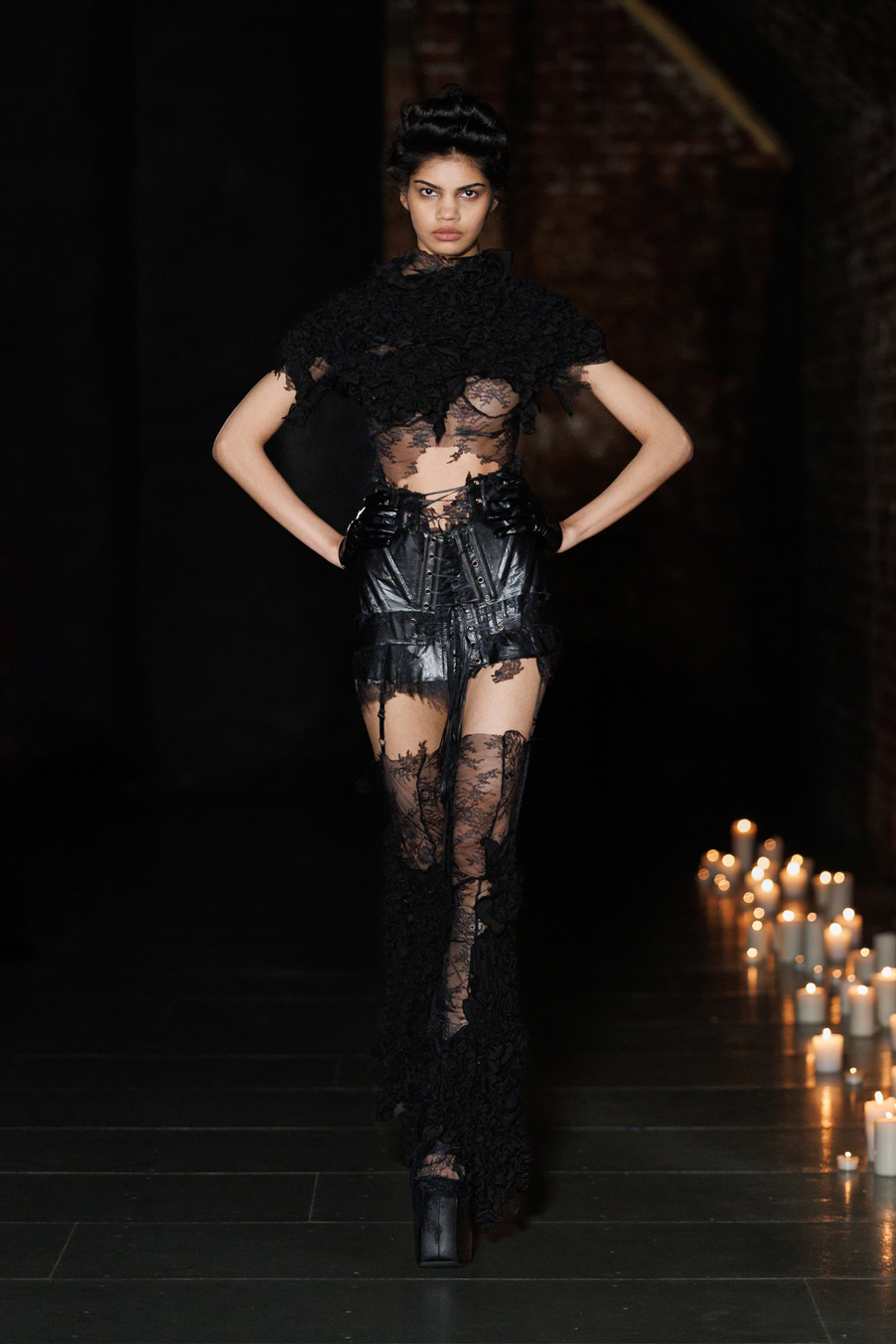
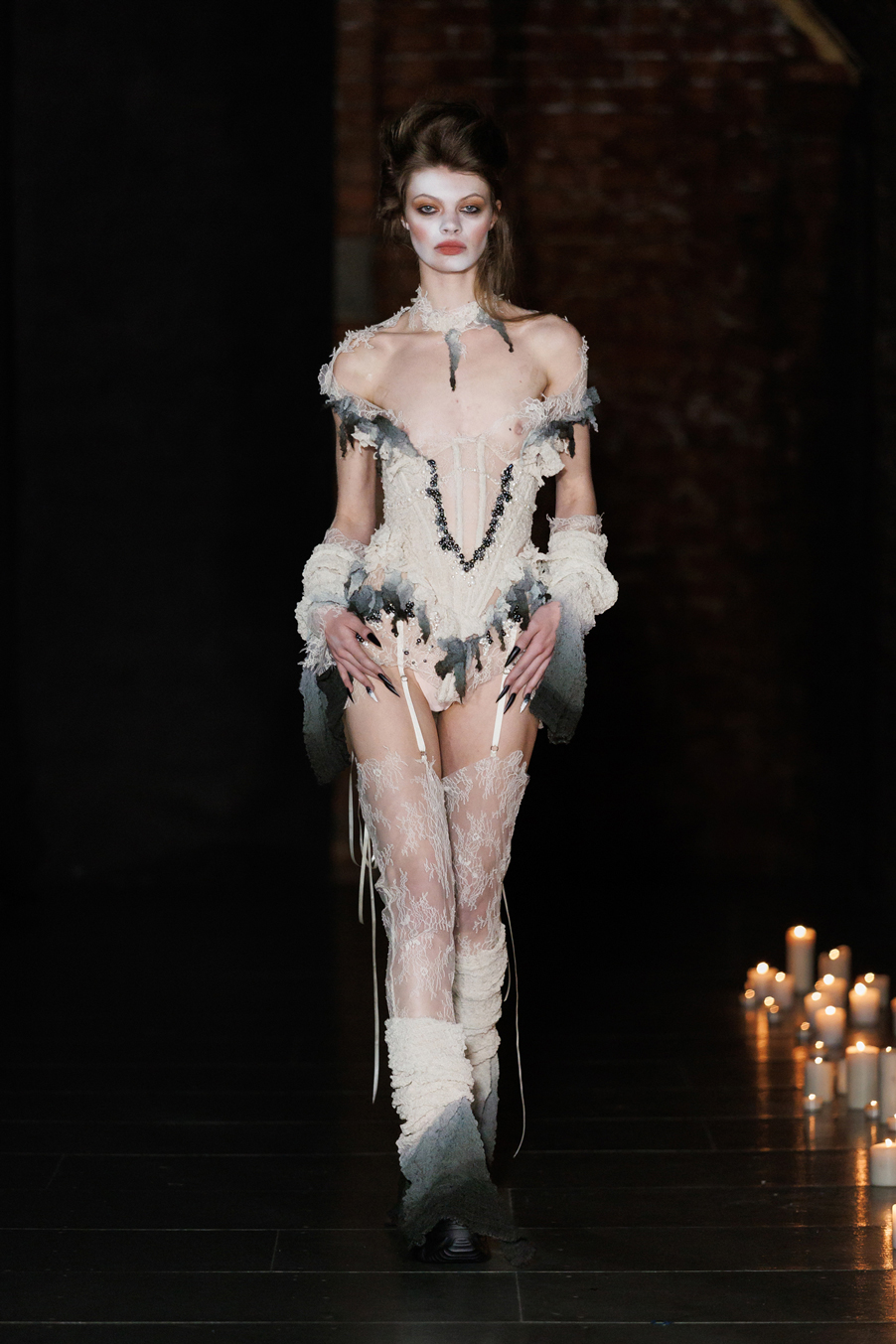
Texture became the language through which this narrative unfolded. Layering and stratification defined the collection, pushing the brand’s material experimentation to new heights. Lace — rendered in Dreaming Eli’s signature neutral palette — was layered delicately to form ethereal silhouettes that floated down the runway. Yet beneath this softness lay a raw and evocative tension: fabrics had been distressed, ripped and subtly burned, evoking garments with a lived history, as if each piece carried emotional memory within its fibres.
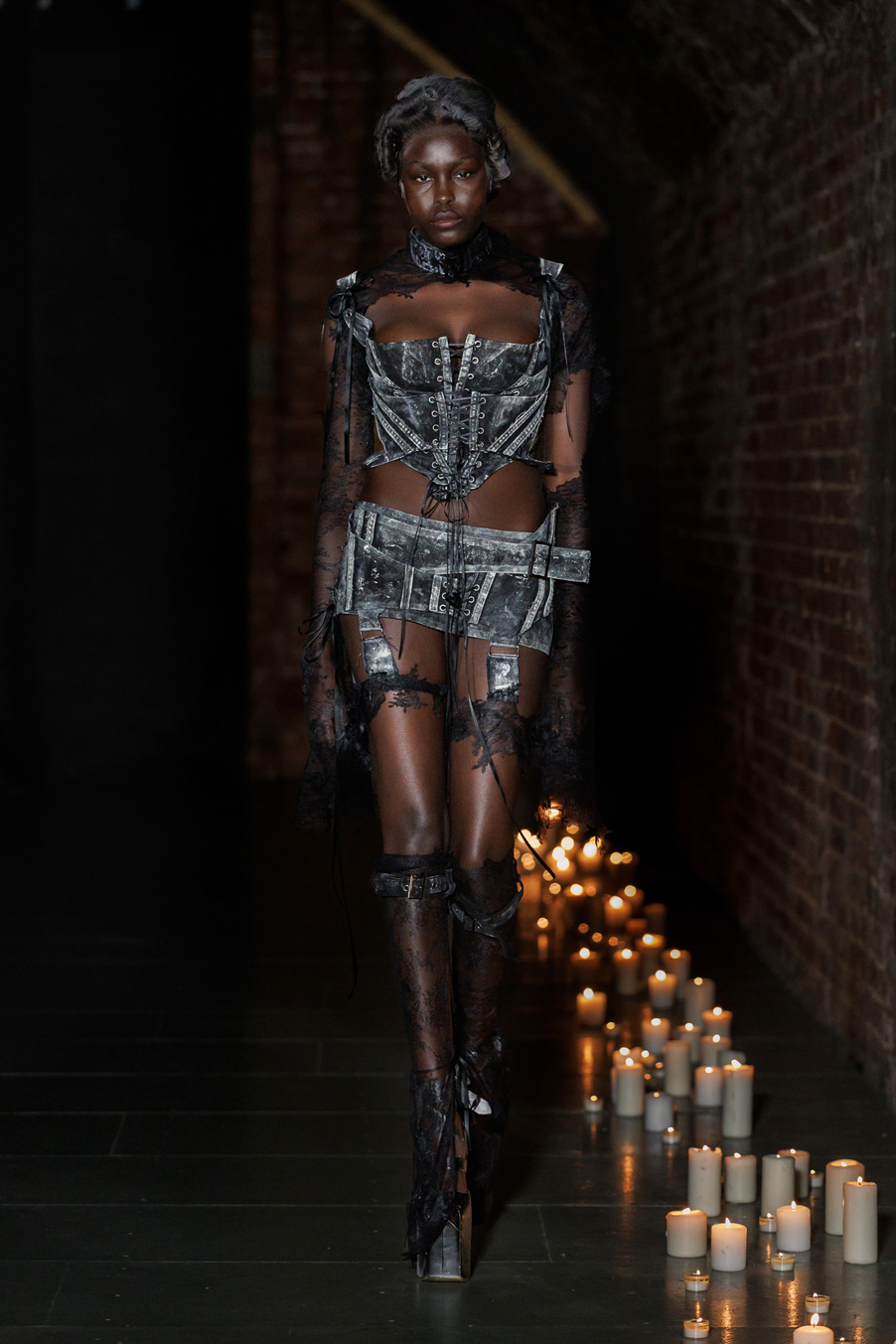
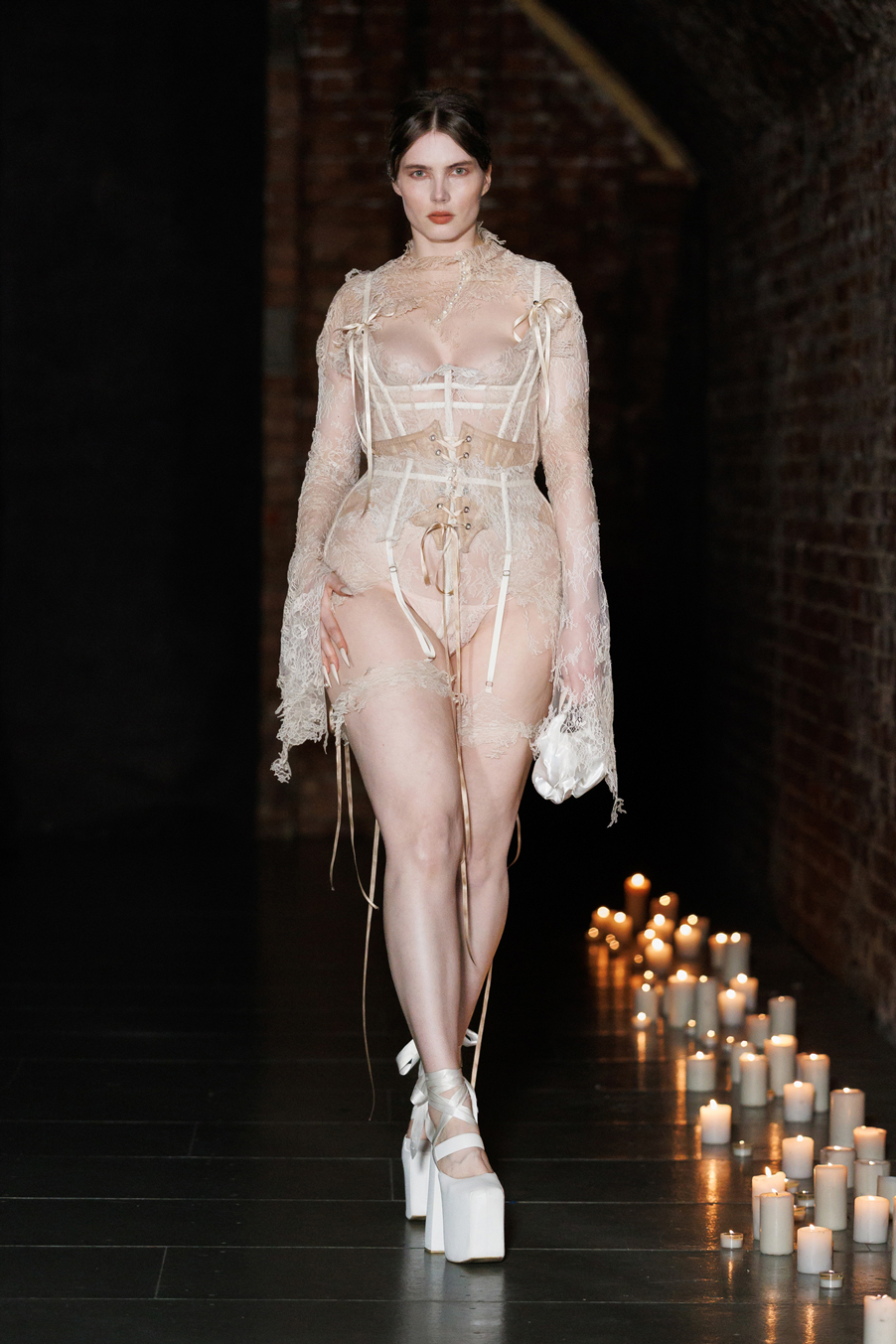
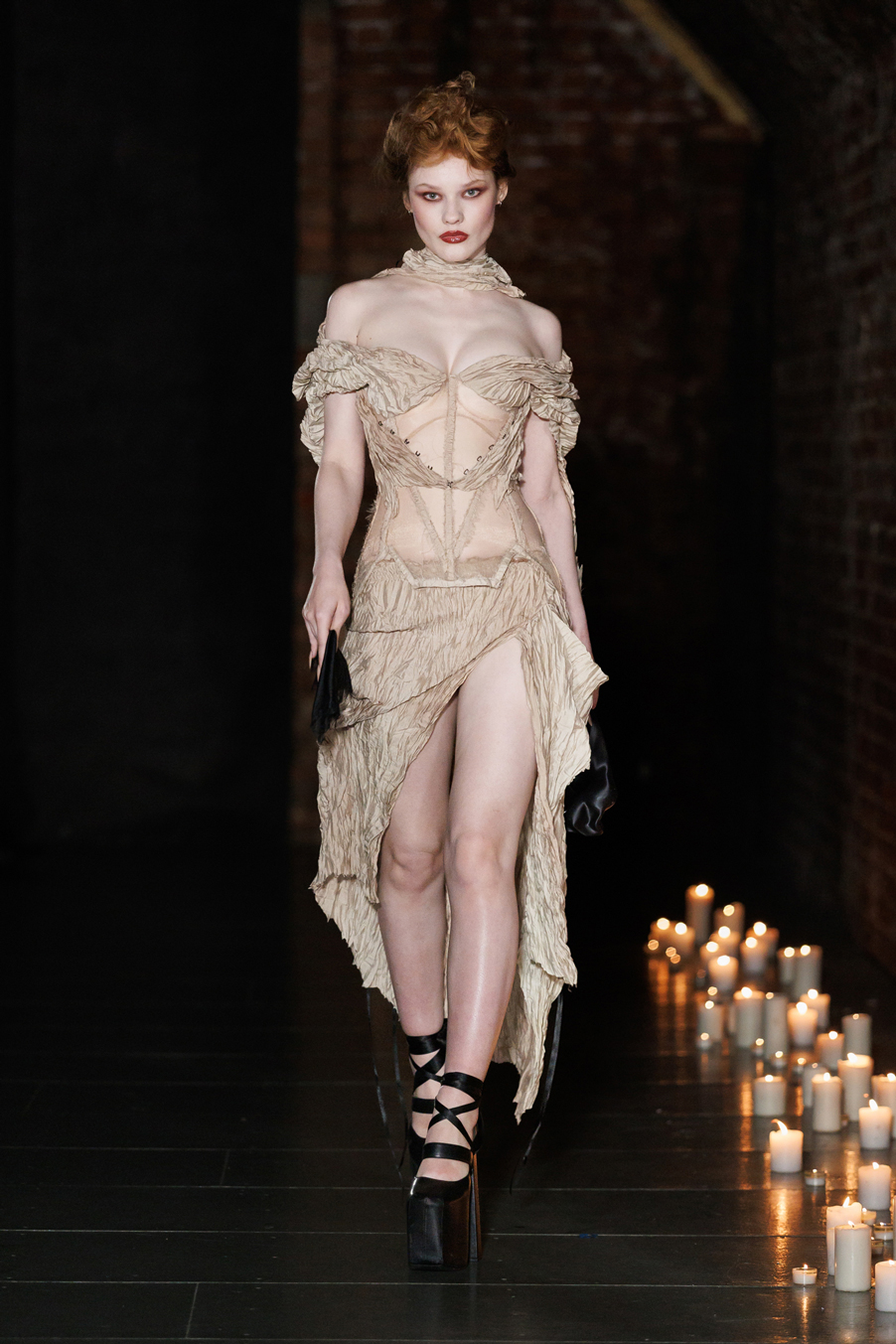
Craftsmanship elevated the collection further. Hand-shirred silks sculpted the body with fluid sensuality, while innovative textured knitwear added sculptural dimension to the looks. Hand-crushed pleated silks brought movement and depth, creating garments that felt almost alive as they shifted with every step.
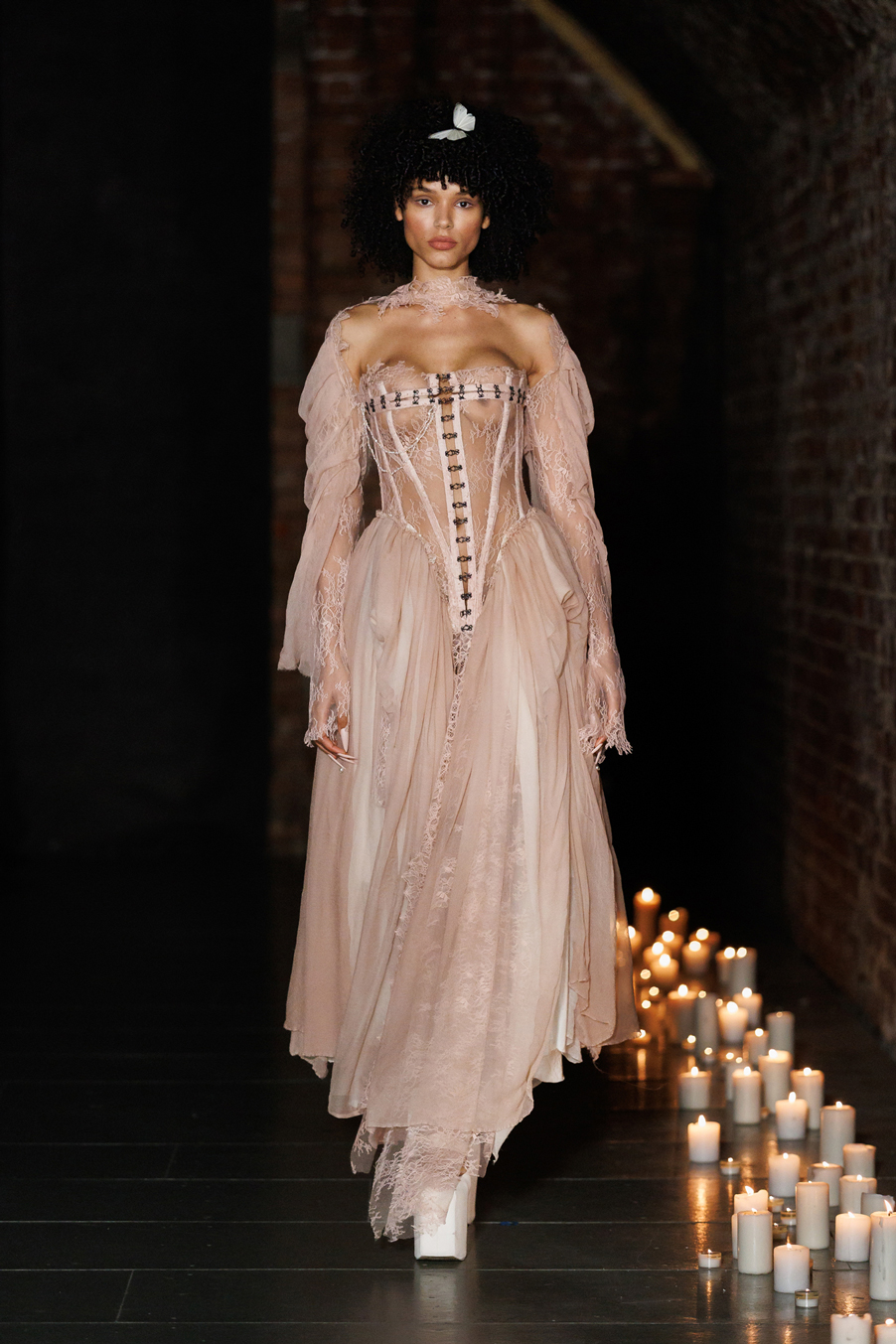
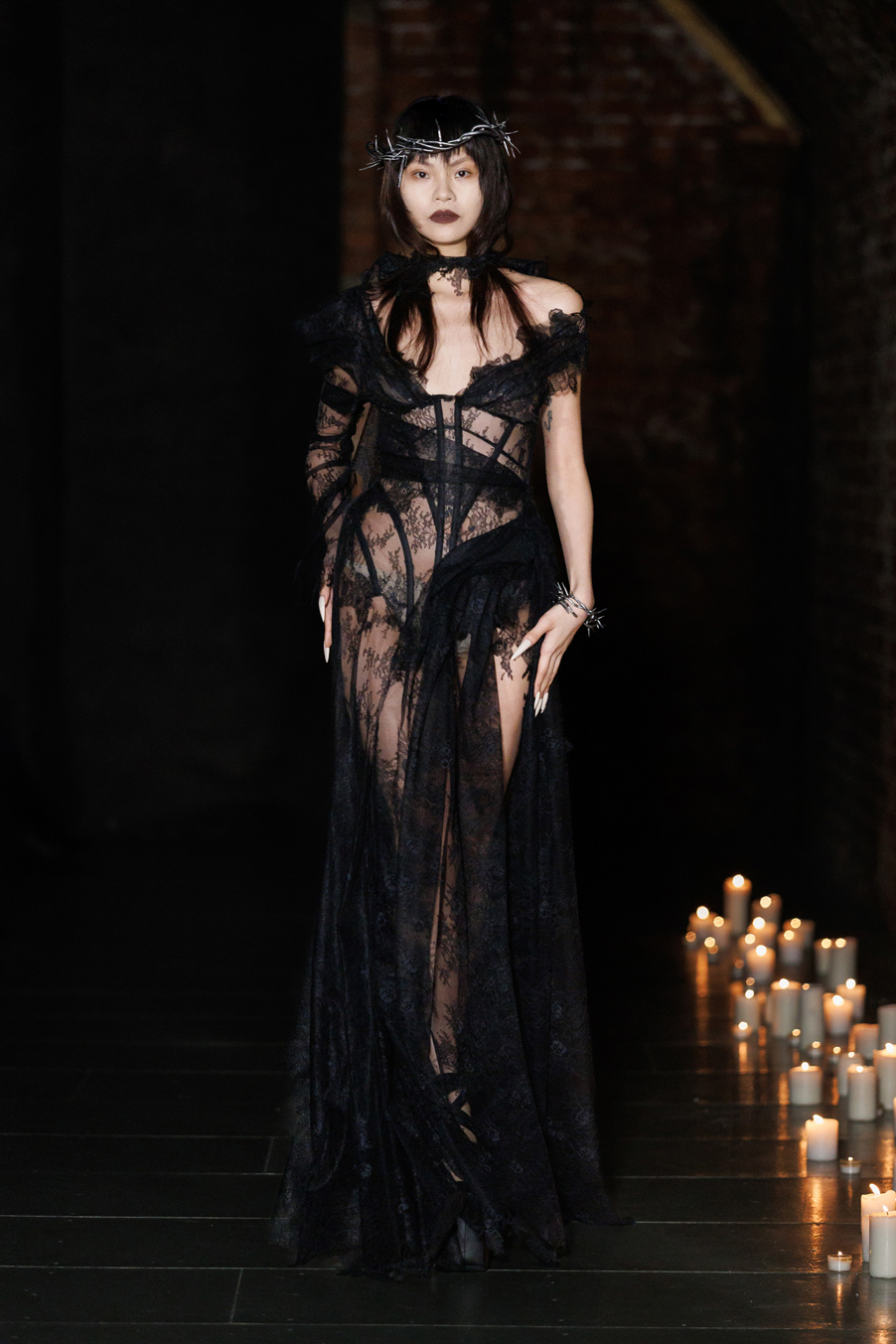
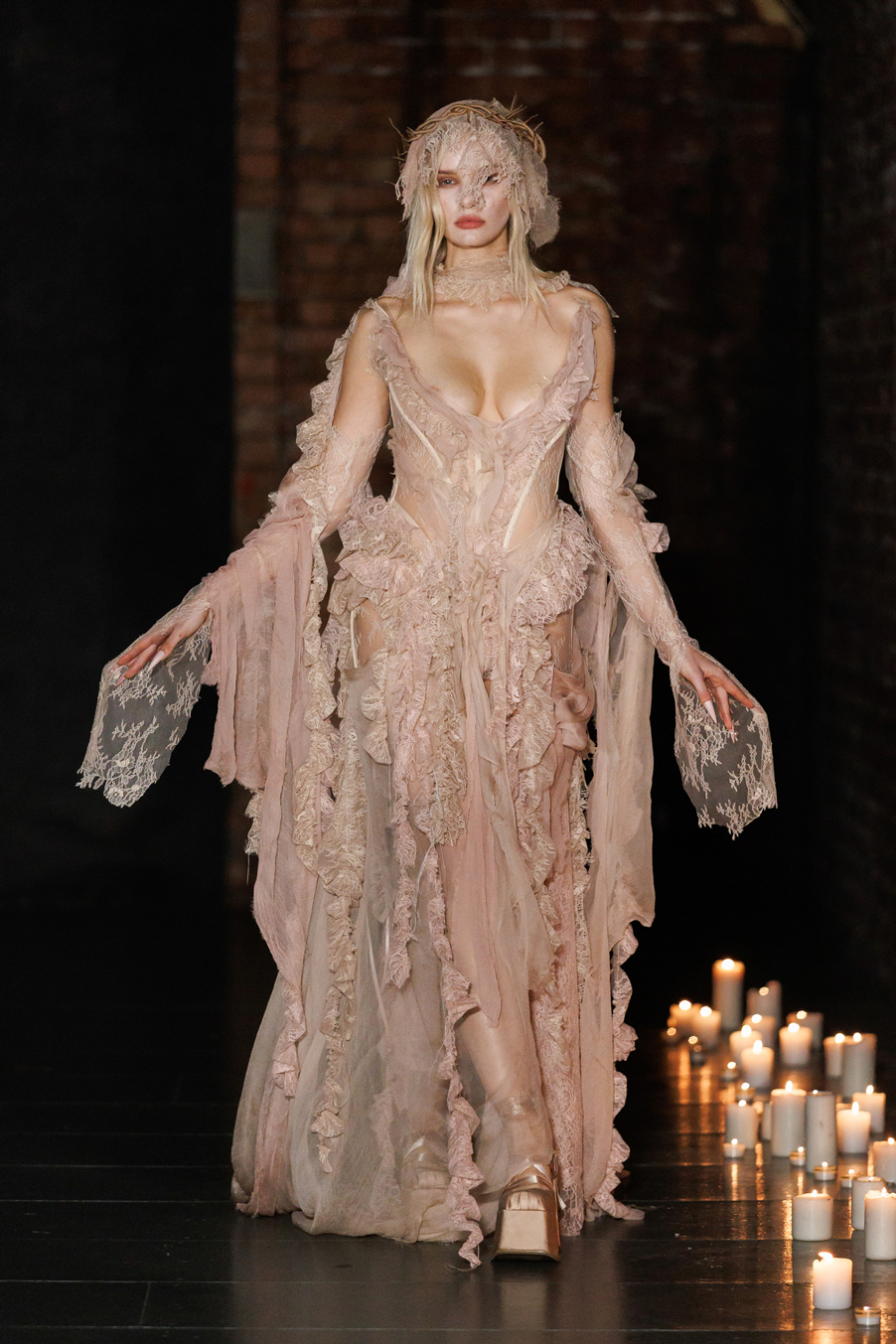
The casting amplified the emotional intensity of the show. Models including Danielle Marcan and Lyric Mariah Heard walked the runway with a captivating presence, embodying the fearless spirit and complexity of the Dreaming Eli fearless woman.
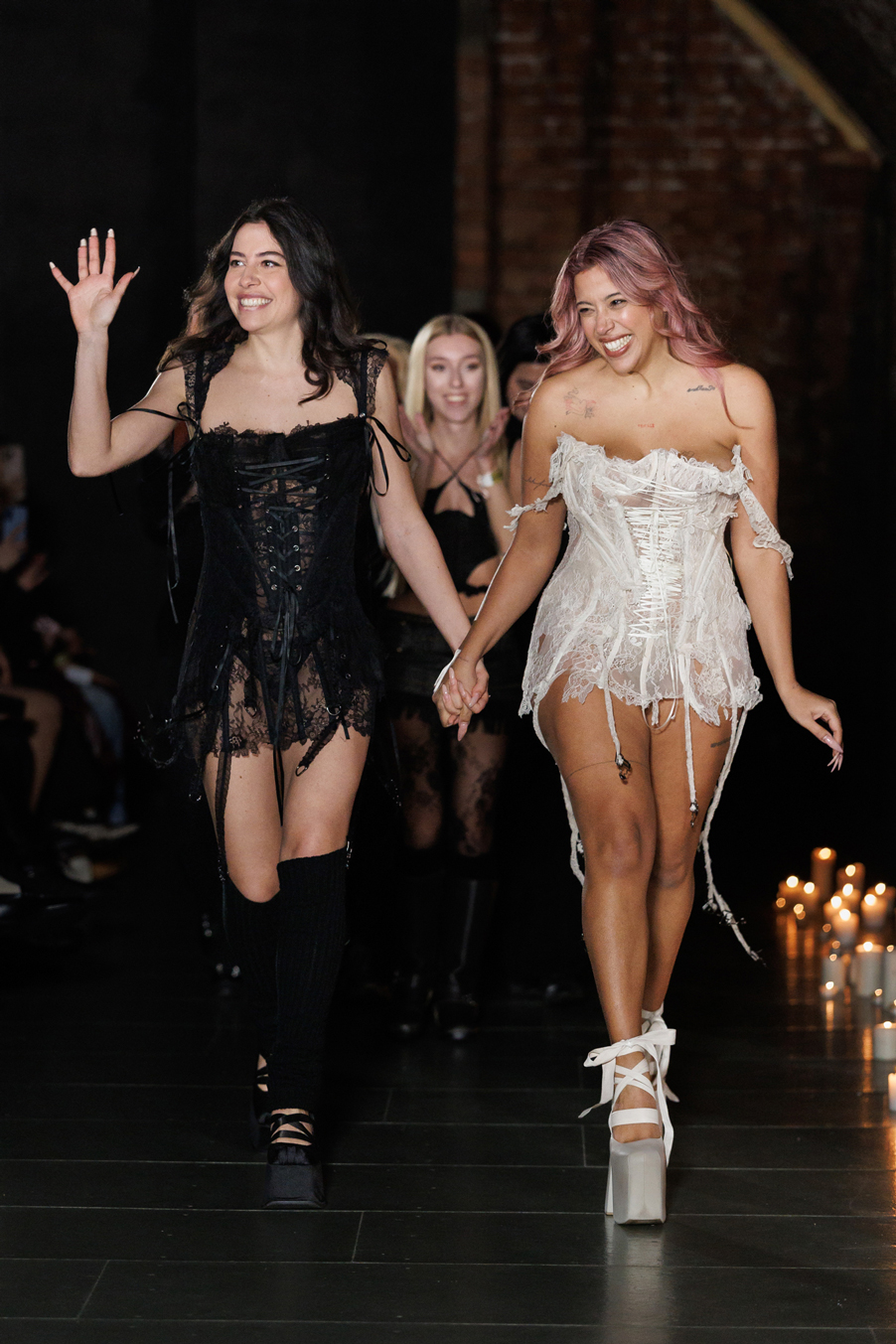
In a season often driven by spectacle, Dreaming Eli delivered something far more powerful — a show that felt emotional, dramatic and profoundly moving. The Court of the Maddest Merriest Things Alive was not only one of the strongest presentations of London Fashion Week, but also one of its most heartfelt, leaving the audience with a lingering sense of beauty, intensity and quiet rebellion.
Written by Angela Goate