Costume Art or the Epitome of Unbotheredness?
Traditionally, the first Monday of May marks one of the most anticipated events in fashion history: the Met Gala. Over the years, the annual fundraiser for The Costume Institute at The Metropolitan Museum of Art has evolved into far more than a charity event. It has become a global celebration of creativity, a political statement, a symbol of status, and one of the most discussed nights in pop culture and media.
This year’s exhibition, Costume Art, explored the relationship between fashion, the body, and fine art, pairing historical and contemporary garments with paintings, sculptures, and objects from across the museum’s collection. The theme had the potential to become one of the most visually groundbreaking carpets in recent Met Gala history — a perfect opportunity for celebrities and designers to blur the line between fashion and wearable art.
Instead, the night left many fashion audiences underwhelmed.
Across social media, critics, bloggers, and fashion enthusiasts quickly labelled the 2026 carpet “the worst Met Gala ever.” But what exactly made it feel so disappointing? Was it the lack of creativity, impossibly high expectations, or simply the absence of true fashion artistry?
The controversy surrounding the event began long before guests even stepped onto the carpet. The announcement of Jeff Bezos and Lauren Sánchez Bezos as lead donors and honorary chairs sparked immediate backlash online. Critics questioned the choice, while reports circulated that several regular attendees declined invitations as a form of protest, including model Bella Hadid and actress Taraji P. Henson. At the same time, pop culture audiences were particularly excited about one of the evening’s co-chairs: Beyoncé.
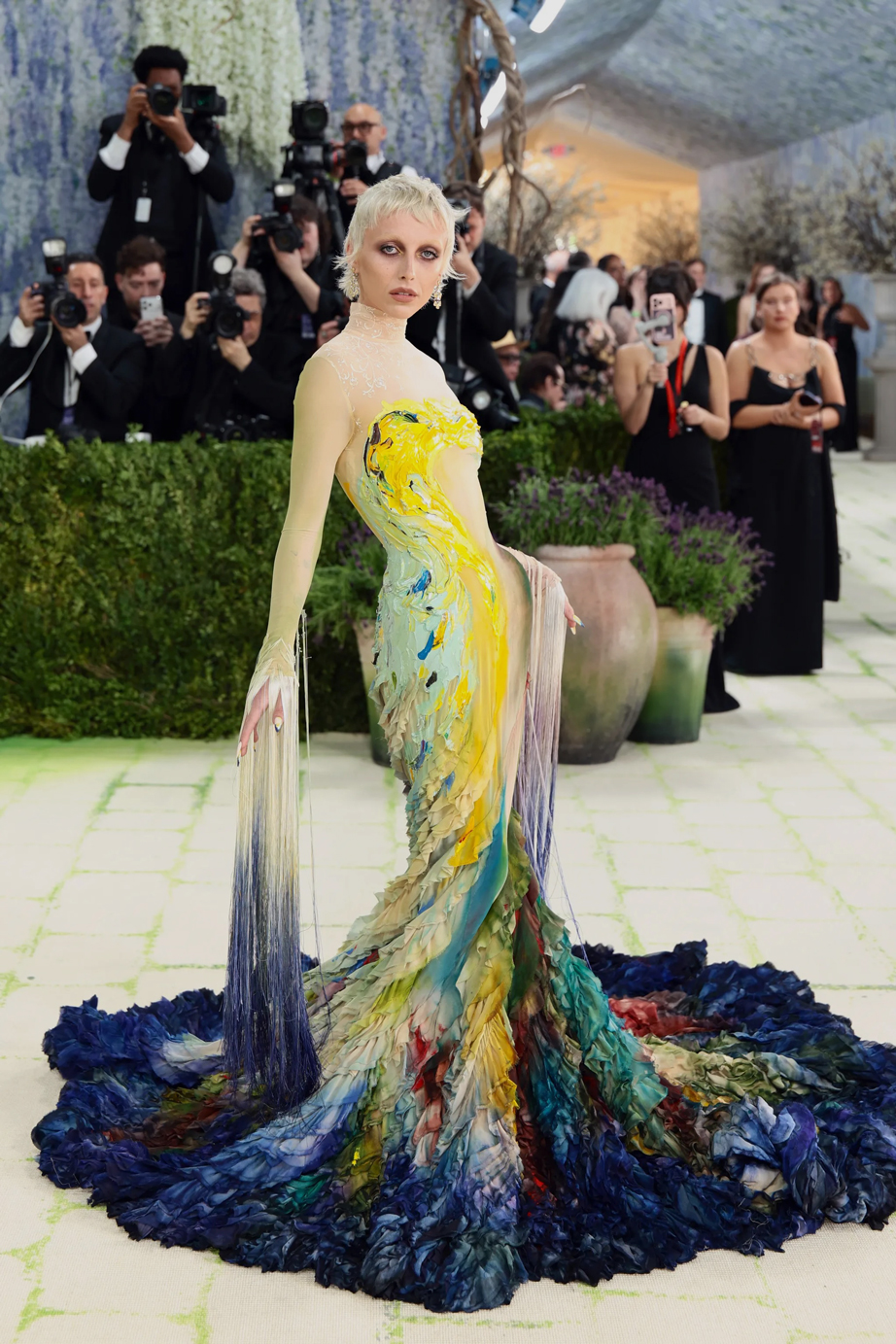
The carpet itself began strongly with Emma Chamberlain, whose custom Mugler gown by Miguel Castro Freitas instantly went viral online. Inspired by impressionist paintings and brushstroke textures, the look embodied the exhibition’s concept of fashion as art.
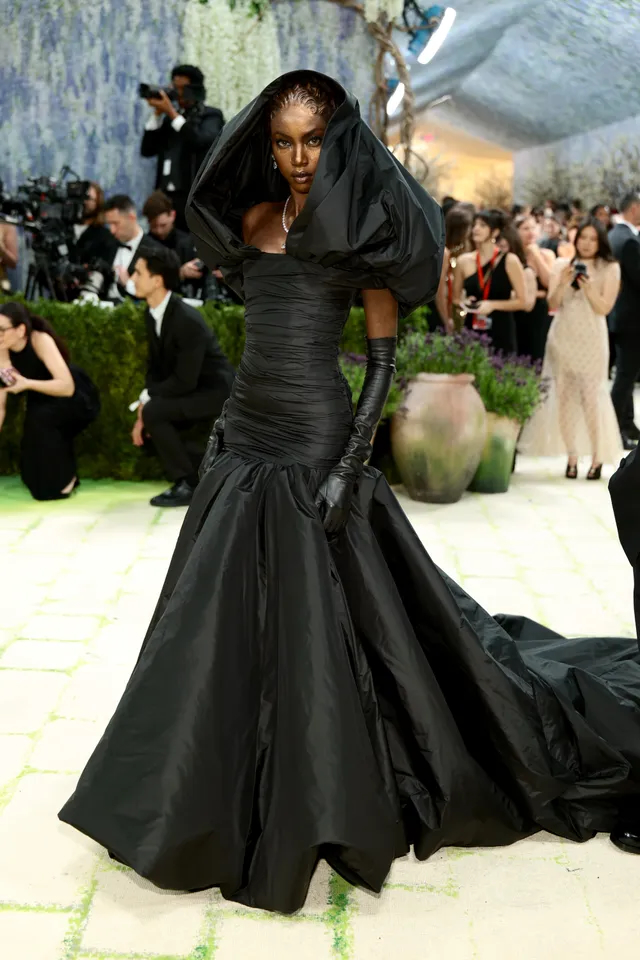
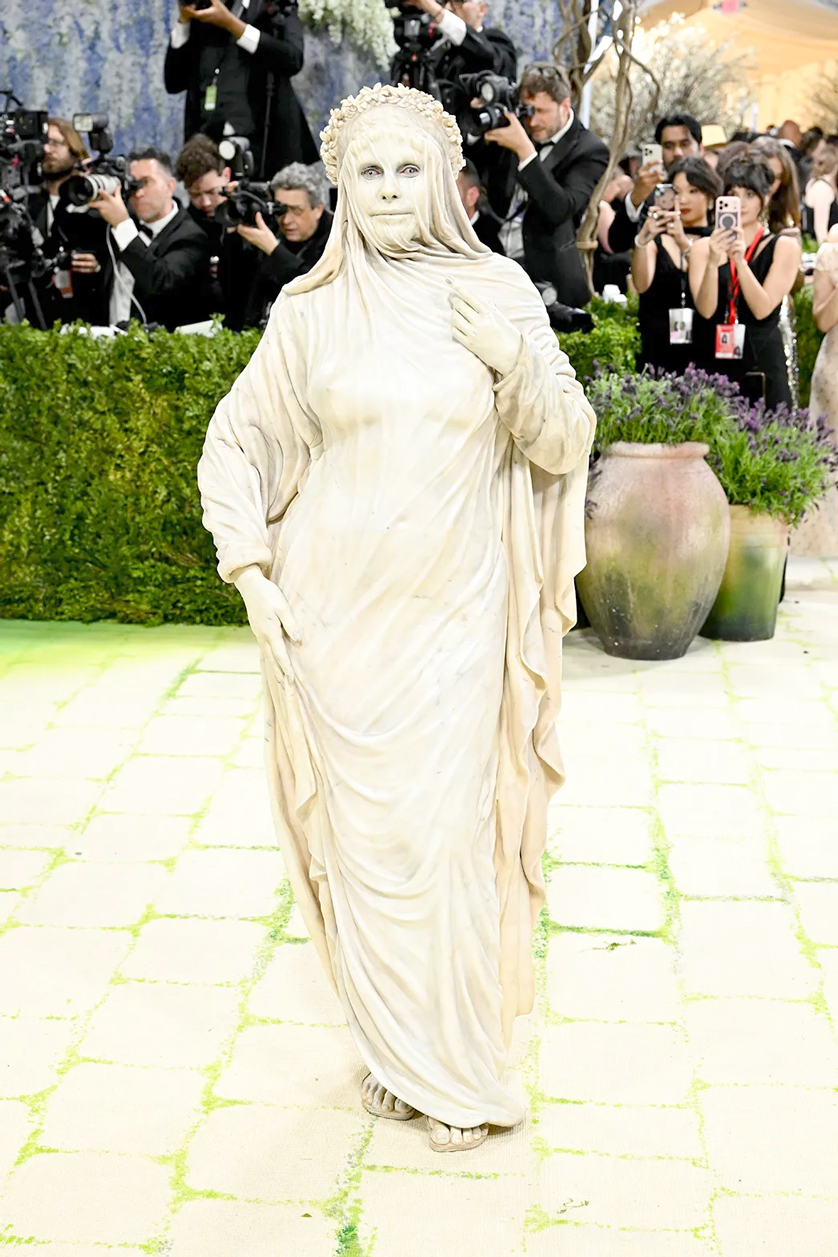
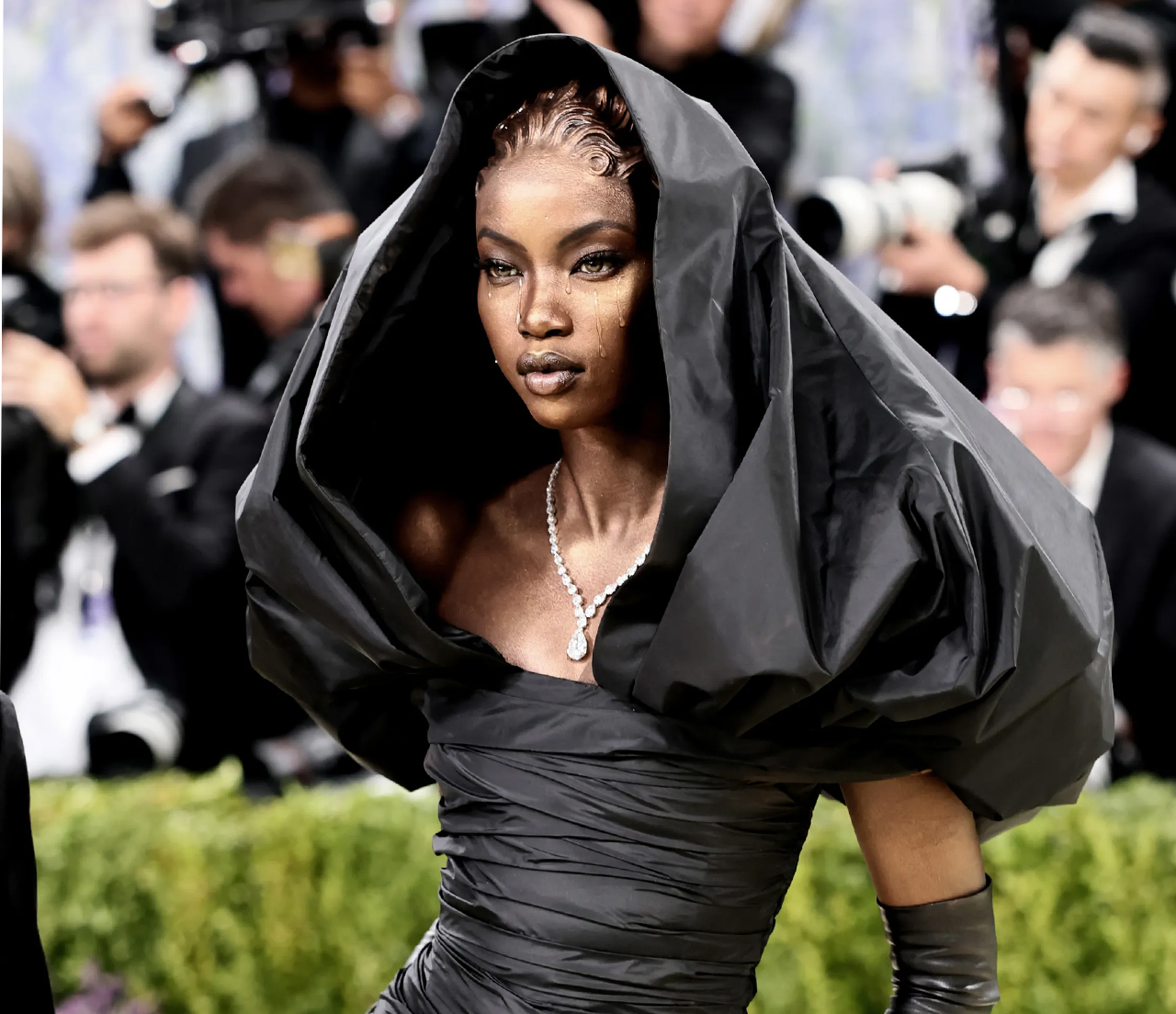
Another standout was Anok Yai in a sculptural custom Balenciaga ensemble inspired by the Black Madonna, combining religious iconography with dramatic couture. Heidi Klum also captured attention dressed as a living marble statue, blurring the line between costume design and sculpture.

One of the evening’s most divisive yet memorable looks came from Janelle Monáe, who wore a surrealist Christian Siriano creation featuring electrical cables, circuit-board-inspired details, green moss, and butterflies — a chaotic but ambitious interpretation of the theme.
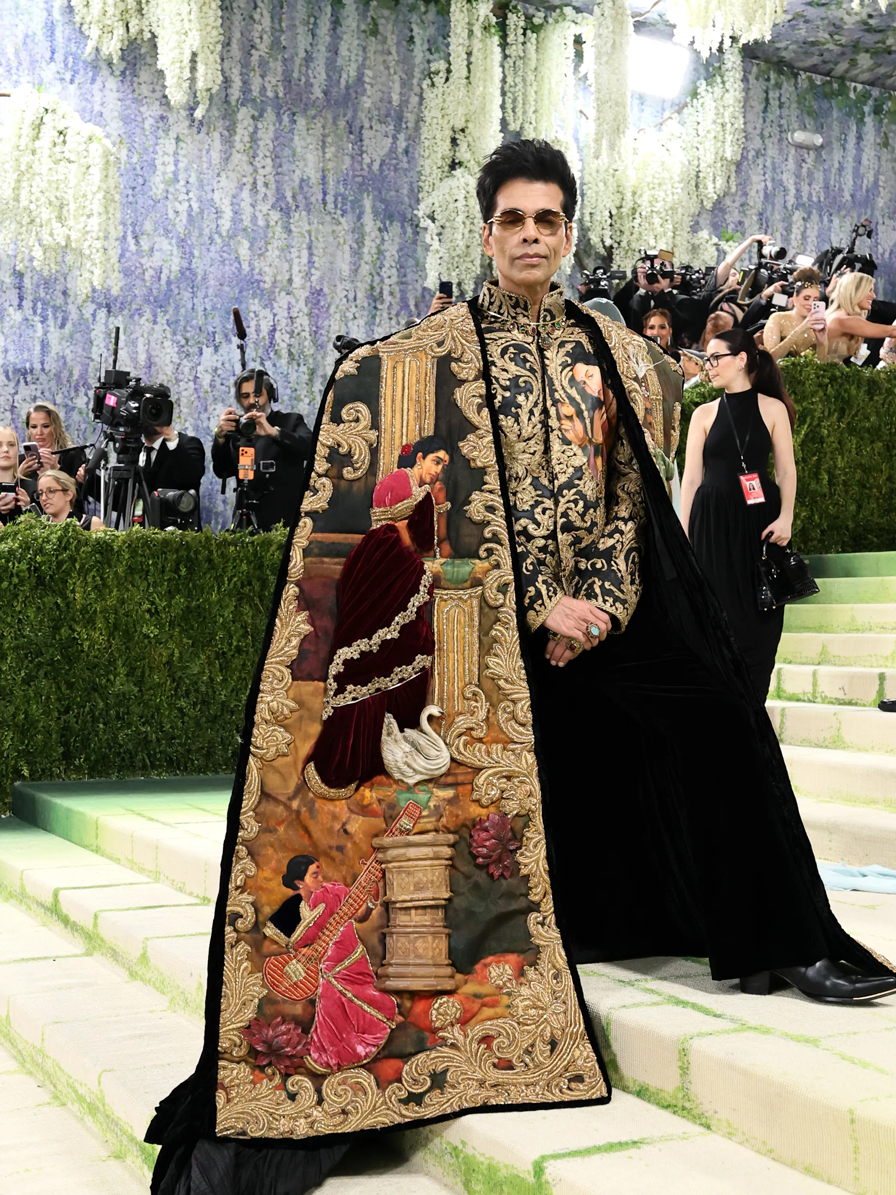
While male attendees are often criticised for relying on safe and traditional tailoring, a small group stood out this year for embracing craftsmanship and cultural storytelling. Karan Johar and Manish Malhotra wore custom atelier creations inspired by Indian architecture, artistry, and traditional craftsmanship, reportedly involving over 50 artisans in their production.
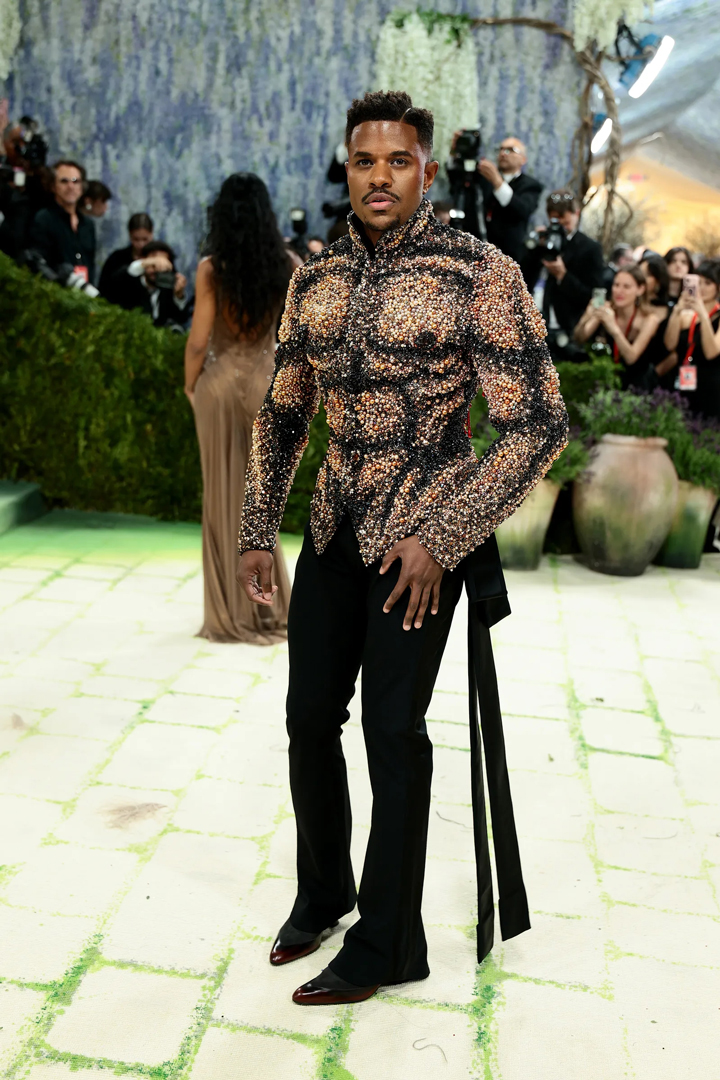
Meanwhile, Jeremy Pope impressed fashion audiences in vintage archive Vivienne Westwood — one of the few looks that genuinely felt connected to fashion history.
And perhaps that was the real issue with this year’s carpet: the absence of archive fashion.
For a theme centred around fashion as art, many expected tributes to designers who transformed clothing into theatrical storytelling — names like Alexander McQueen, John Galliano, and Vivienne Westwood. Their work has long proven that garments can exist as sculpture, performance, and political commentary rather than simply luxury products.
Instead, audiences were met with countless predictable gowns and tuxedos from luxury houses that felt visually disconnected from the exhibition itself. Some celebrities faced particular criticism for appearing in comparatively commercial or minimalist looks that many viewers believed lacked effort or imagination.
Still, the evening delivered its share of major pop-culture moments.
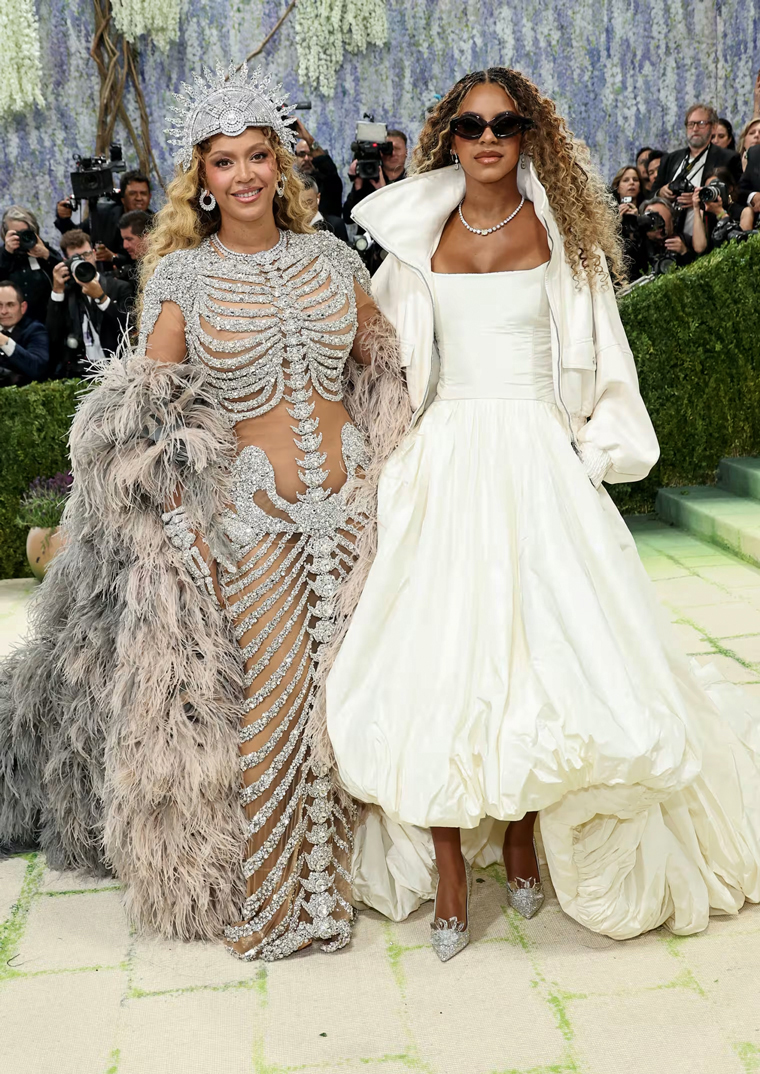
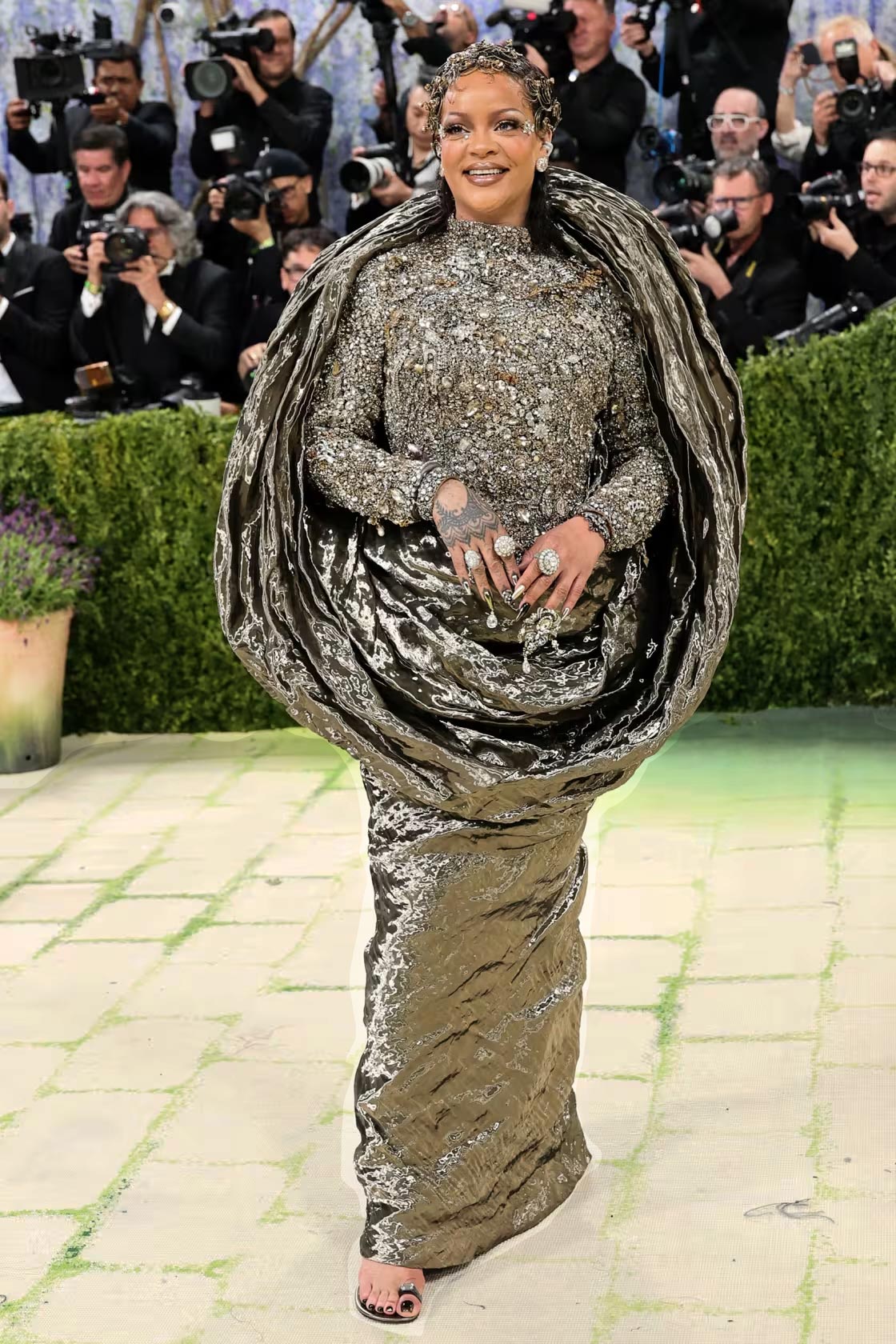
Beyoncé arrived alongside her husband and daughter wearing a dramatic skeletal-inspired couture gown by Olivier Rousteing, while Rihanna once again closed the carpet in Maison Margiela, continuing her tradition of dominating the final moments of the event.
By the end of the night, one question remained unavoidable: is fashion truly losing its creativity, or are audiences simply becoming harder to impress?
The disappointment surrounding this year’s Met Gala reflects something deeper within the industry itself. Fashion today exists in an era dominated by algorithms, celebrity branding, and fast-moving social media trends, where genuine artistic risk often feels secondary to virality and sponsorships. The industry may not lack talent, but it increasingly seems to lack the courage to challenge audiences in the way fashion once did.
Whether viewers loved or hated this year’s theme, one thing is certain: the conversation around the Met Gala remains as powerful as ever — and fashion audiences are already waiting to see whether next year’s carpet will restore the artistry many felt was missing this time around.
Written By Angela Gaote